※現在英語を勉強中のため、翻訳にAIを利用しております。ご了承ください。

Please note that I’m currently studying English and using AI to help with my translations. 

はじめに|あなたは現地のスーパーに行くタイプ?

海外旅行をするとき、観光地よりも先にスーパーや市場に行ってしまう。——そんな人、いませんか?
「現地の人って、普段何を食べてるんだろう?」という純粋な好奇心。
それって、旅の中でいちばんリアルな文化体験だと思うんです。

このブログでは、そんな好奇心の参考になればうれしいです。
今日は日本人女性(30代・会社員)の平日1日の食事を、朝から夜までご紹介。
飾らない、リアルな「普通の日本人のごはん」をお届けします。

Introduction | Are You the Type Who Goes to Local Supermarkets?

When traveling abroad, do you ever find yourself rushing to a supermarket or local market before hitting the tourist spots? That feeling of “I wonder what people here actually eat every day?” — it’s one of the most genuinely real cultural experiences a trip can offer.

This blog answers that curiosity head-on. Today, we’re spending a full weekday with a Japanese woman in her 30s, a working professional — following her meals from morning to night. No filters, no fancy restaurants. Just real, everyday Japanese food.

今日の主人公|登場人物紹介

名前:aki
年齢:30代
体型:身長165cm・体重50kg
職業:会社員(オフィス勤務)
食のスタイル:健康意識はあるけど、無理はしない派。美味しければOK

Today's Subject | Meet the Person Behind the Meals

Name: aki
Age: 30s
Stats: 165cm tall, 50kg
Occupation: Office worker
Food philosophy: Health-conscious, but not obsessive. If it tastes good, it’s good enough.

oplus 32

☀️ 朝ごはん|食べない、が正直なところ

正直に言います——朝ごはんは、基本食べません。

「え、それで体は大丈夫なの?」と心配してくれる人もいますが、これ、日本人の30代会社員にはわりと”あるある”です。
夜更かし+朝の支度に追われて、食欲より時間のなさが勝ってしまうんですよね。

もし食べるなら?
それはコンビニ(セブンイレブン・ファミマ・ローソンなど)
選ぶのはだいたい決まっています。

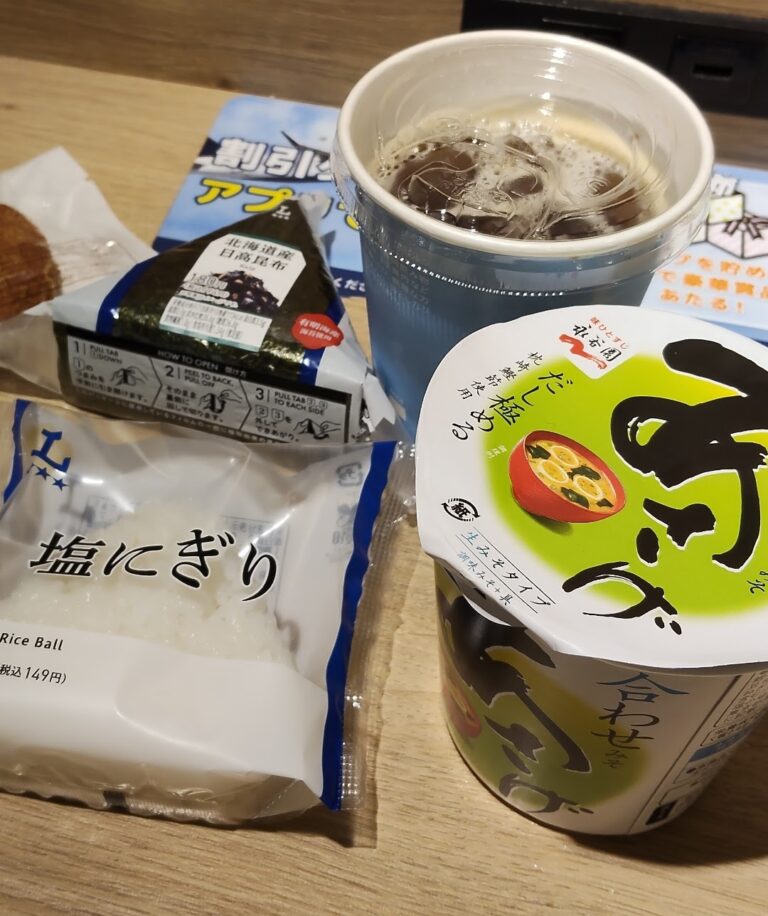
  • 🍙 おにぎり2個:昆布ツナマヨか昆布か塩の組み合わせが鉄板
  • ☕ カフェコーヒー(缶コーヒーではなく、コンビニの挽きたて)

この2つで、だいたい400〜500円以内に収まります。

なぜ昆布とツナマヨなの?という話をすると、昆布はさっぱりしていて、
ツナマヨはちょっとリッチな満足感がある。
この”さっぱり×こってり”の組み合わせが、好きなんですよね~
☀️ Breakfast | Honestly? I Usually Skip It

Let me be upfront — I usually don’t eat breakfast.

“Is that okay for your body?” some people worry. But honestly, for working Japanese women in their 30s, this is pretty common. Late nights plus a hectic morning routine means there’s simply no time — or appetite — before heading out.

When I do eat? That’s when I stop by a convenience store — konbini — (Seven-Eleven, FamilyMart, Lawson, etc.). My order is almost always the same:

  • 🍙 Two onigiri (rice balls): Kombu (kelp) and Tuna Mayo or Salt — a classic combo
  • ☕ A fresh-drip coffee from the konbini machine (not canned — these are surprisingly good)

The total? Usually under 400–500 yen (about $3 USD).

Why kombu and tuna mayo? Kombu is light and easy on an empty stomach, while tuna mayo gives that satisfying, slightly indulgent richness. That contrast — refreshing meets comfort — is the perfect morning balance.

screenshot 2026 06 04 00 03 41 44 99c04817c0de5652397fc8b56c3b3817

🍱 昼ごはん|お弁当が最強説

平日の昼ごはんは、大体手作りのお弁当です。

前日の夜ごはんの残りをつめるだけでOK。
冷凍食品をフル活用することも全然あります。
「手作り=全部手作り」じゃなくていい。
“詰める”だけで十分えらい。
これが日本のお弁当文化の本音です。

もし外食するなら?
ランチで外に出るときに求めるのは、ズバリこの3条件です。

  1. すぐ座れる
  2. すぐ食べられる
  3. 安くてちゃんと美味しい

その条件を満たすのが、たとえばこういうお店。

お店 メニュー例 価格帯
🍜 丸亀製麺 ぶっかけうどん(冷)、かけうどん 400〜700円
🥩 吉野家 牛丼(並)、牛カルビ丼 500〜750円
🍛 CoCo壱番屋 ポークカレー、チキンカツカレー 700〜1,000円

丸亀製麺は、麺を自分でカスタマイズしながら天ぷらをトングで取っていくスタイルが楽しくて、
外国人観光客にもかなり人気です。
「セルフ式」という文化も、日本らしさのひとつ。

🍱 Lunch | The Humble Bento Box Reigns Supreme

When it comes to weekday lunches, nothing beats a homemade bento box for value.

It’s usually just last night’s leftovers packed into a box — frozen foods included. “Homemade” doesn’t mean everything is made from scratch. In Japan, simply packing the box is considered an achievement in itself. That’s the real bento culture.

When eating out? If I do head out for lunch, there are three things I need:

  1. Sit down immediately
  2. Eat immediately
  3. Affordable, but actually good

These spots deliver on all three:

RestaurantMenu ExamplesPrice Range
🍜 Marugame SeimenCold bukkake udon, kake udon¥400–700
🥩 YoshinoyaBeef bowl (regular), beef kalbi bowl¥500–750
🍛 CoCo IchibanyaPork curry, chicken katsu curry¥700–1,000

🌙 夜ごはん|家に帰ったら、自分で作る

夜は基本、自宅で作ります

とはいえ、毎日料理する体力があるかというと——正直、ない日もある。
そういうときは「作れる範囲で作る」スタンスで十分。
炒め物・味噌汁・ご飯を炊くだけでも、ちゃんとした夜ごはんになります。

よく作るメニュー(例)

  • 鮭の塩焼き+ご飯+お味噌汁+おひたし(ほうれん草)
  • 豚キムチ炒め+ご飯+きゅうりの浅漬け
  • 豆腐と卵のふわふわ炒め+インスタント味噌汁

和食って、実は「一汁三菜(いちじゅうさんさい)」という考え方がベースにあります。
汁物1品+おかず3品。
この組み合わせが体への栄養バランスとしても理にかなっていて、
昔から日本人の体を支えてきた食スタイルです。

外食するなら?
疲れ果てた日や週末の夜は、こういうお店を選びます。

  • 大戸屋:ちゃんとした定食が食べられる。鶏と野菜の黒酢あん定食が個人的な推し。
  • フードコート:ショッピングモールのフードコートは種類が多くて、一人でも気軽に入れる。
    ラーメン・寿司・カレー・タイ料理まで揃っていることも。

🌙 Dinner | Back Home, Time to Cook

Dinner is usually cooked at home.

That said, do I always have the energy after work? Honestly — not always. On those days, I keep it simple: a stir-fry, some miso soup, and freshly steamed rice is more than enough to call it a real meal.

Common dinner examples:

  • Grilled salted salmon + steamed rice + miso soup + blanched spinach
  • Pork and kimchi stir-fry + rice + quick-pickled cucumber
  • Fluffy tofu and egg stir-fry + instant miso soup

Traditional Japanese home cooking is based on a concept called “ichiju sansai” (一汁三菜) — one soup and three sides. It’s a beautifully balanced approach to nutrition that has sustained Japanese people for generations.

When eating out? On exhausted evenings or weekend nights, these are the go-to choices:

  • Ootoya: A proper Japanese set meal restaurant. Personally, I love their chicken and vegetable black vinegar ankake set.
  • Food courts: Inside shopping malls, food courts are low-pressure and full of variety — ramen, sushi, curry, even Thai food, all under one roof. Perfect for solo dining.
oplus 0

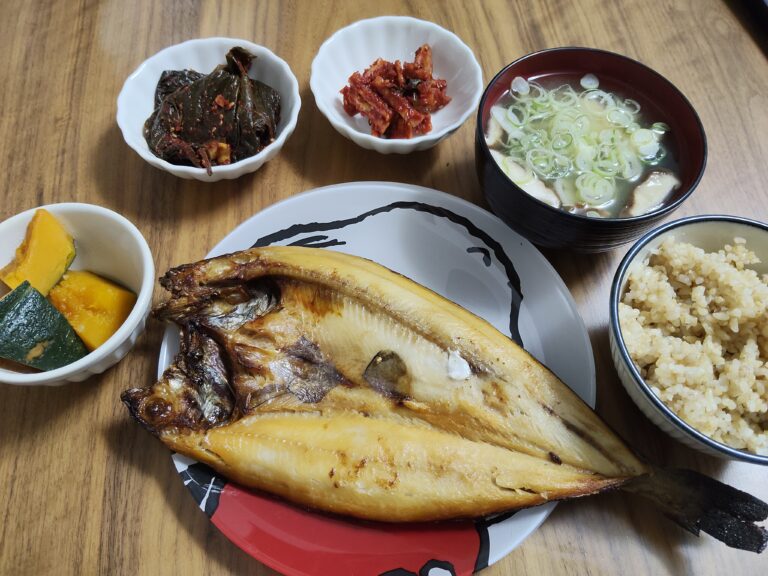
この日の夕食:ほっけ・玄米・カボチャの煮物・味噌汁・キムチ

Dinner for the day:Grilled Atka mackerel, brown rice, simmered kabocha squash, miso soup, and kimchi.

まとめ|日本人の食から見えてくるもの

1日を振り返ると、日本人の食スタイルには「手軽さ」と「ちゃんと食べる」のバランスが見えてきます。

  • 朝は食べない(またはコンビニで素早く)
  • 昼は時間と予算のなかで最適解を選ぶ
  • 夜は自炊をして自宅でのんびり

特別な日だけが「食」じゃない。
毎日の、なんでもない食事の積み重ねが、その国の文化そのものだと思います。

日本に来たとき、ぜひコンビニのおにぎりを手に取って、
丸亀製麺でうどんをすすって、夜は定食屋さんで一息ついてみてください。
それだけで、日本人の日常にぐっと近づけるはずです。

Conclusion | What Japanese Eating Habits Tell Us

Looking back at the day, Japanese eating habits reflect a careful balance between convenience and eating “properly.”

  • Morning: minimal effort (or a quick konbini run)
  • Lunch: finding the best option within time and budget
  • Dinner: Making dinner and chilling at home tonight.

Food isn’t only for special occasions. The quiet accumulation of everyday meals is what makes up a culture.

When you visit Japan, pick up an onigiri at a konbini. Slurp udon at Marugame Seimen. Wind down at a teishoku restaurant at night. Just doing those three things will bring you remarkably close to the rhythm of daily Japanese life.

ここまで読んでいただき、ありがとうございます!
また来てください^^
それでは👋

Thank you for reading until the very end!
Please come back and visit again soon.
Until next time!👋

コメントする

メールアドレスが公開されることはありません。 が付いている欄は必須項目です

CAPTCHA


上部へスクロール